Table of contents13 sections
- 1. Choosing the wrong heating technology
- 2. Buying a sauna that's too small
- 3. Ignoring electrical requirements
- 4. Overlooking installation expenses
- 5. Assuming the heater is included
- 6. Failing to measure access routes
- 7. Choosing an indoor sauna for outdoor use
- 8. Ignoring ventilation requirements
- 9. Overlooking shipping costs
- 10. Not reviewing warranty terms
- 11. Focusing only on purchase price
- 12. Buying without comparing alternatives
- Checklist
Most sauna-buying regrets share a cause: a detail that sits just outside the product listing. The heater, the circuit, the gate the crate has to come through.
Below are the twelve mistakes we see most, each with why it matters and how to avoid it. Product figures quoted are from our verified catalog, checked 2026-10-30.
1. Choosing the wrong heating technology
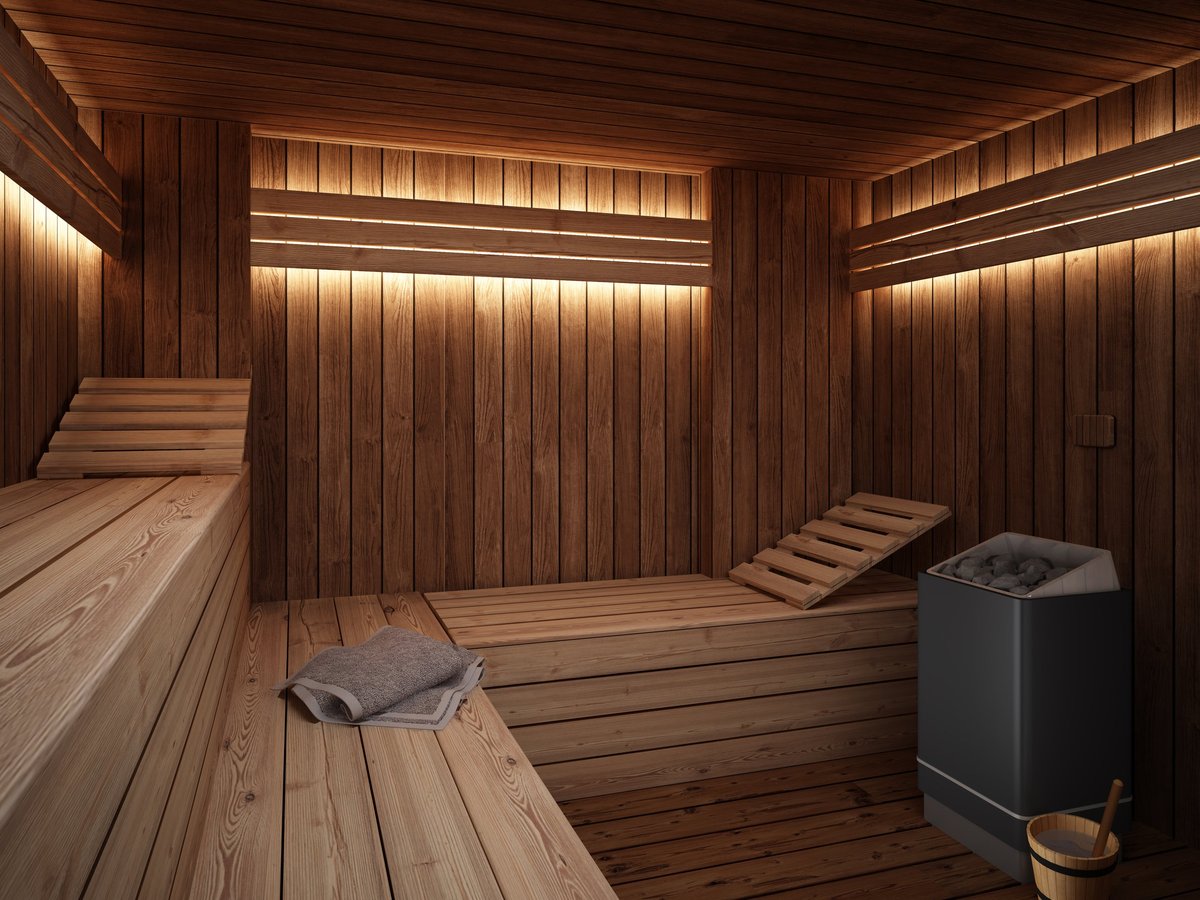
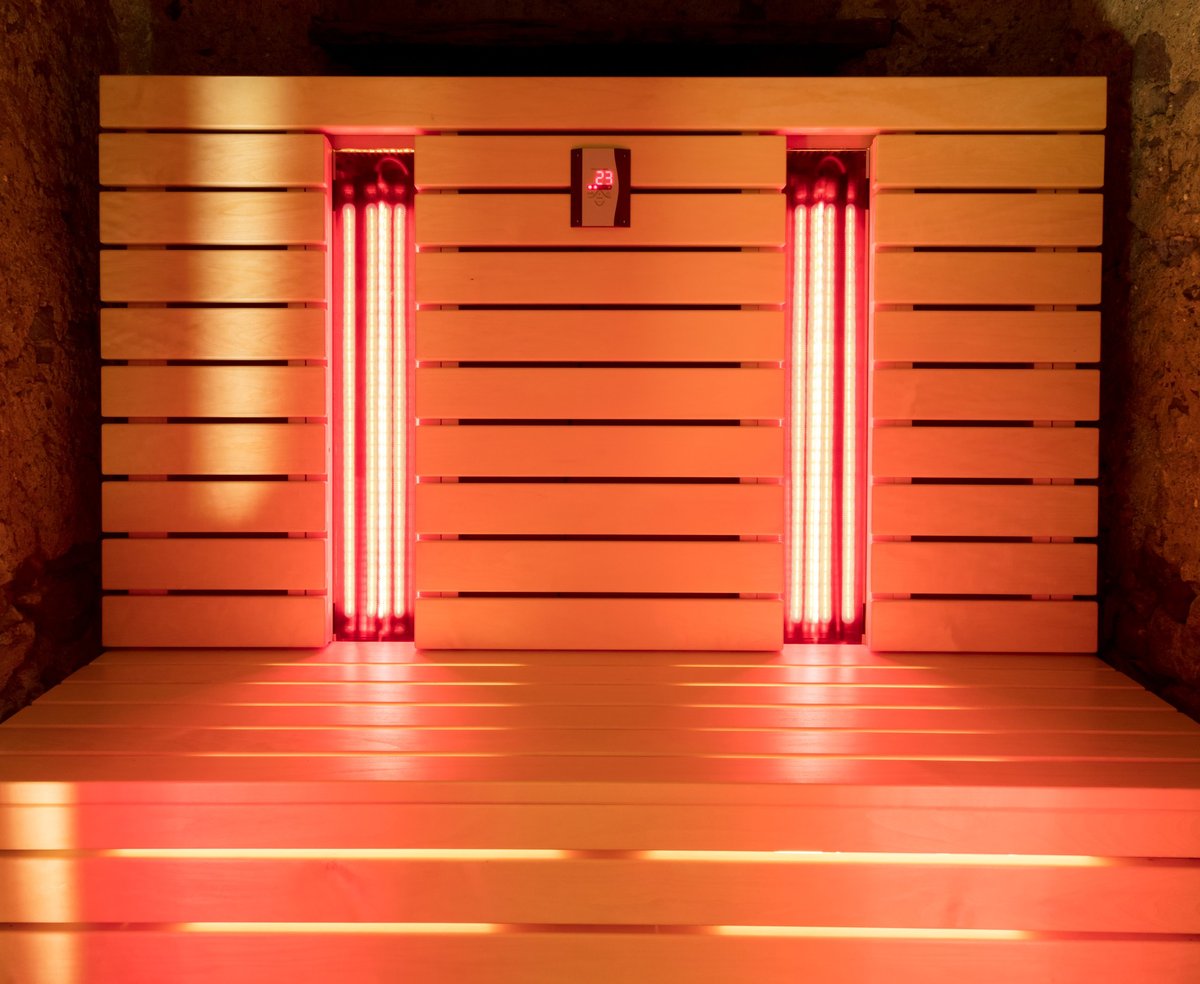
Infrared and traditional saunas feel genuinely different. Infrared warms the body at lower air temperature and often plugs into a standard outlet; traditional heats the room hot and lets you throw water on stones for steam.
Avoid it: read our infrared vs traditional guide, and if possible experience both at a gym or spa first. If you want steam and high heat, an infrared cabin won't satisfy you long-term — and vice versa if you want quick, gentle sessions.
2. Buying a sauna that's too small
Capacity ratings often describe maximum seating. A 'two-person' barrel can be snug for two adults, and a two-person infrared cabin can be genuinely tight.
Avoid it: measure the interior against the people who'll really use it — and plan for guests. The Almost Heaven Salem (2-person, $4,176) is a great couple's sauna; for a family of four, the Pinnacle (4-person, $5,303) or the Rainelle indoor (4-person, $5,127) is the right scale.
3. Ignoring electrical requirements
A traditional electric heater usually needs a dedicated, hardwired 240V circuit. If your panel can't support it, you may be facing an upgrade on top of the purchase.
Avoid it: read the model's specification sheet and have an electrician check your panel before you order. The Almost Heaven barrels here use a 6 kW Harvia specified at 240V/30A; the Dynamic Barcelona is 120V/15A plug-in.
4. Overlooking installation expenses
Electrical work, a base, a floor mat, accessories and possible landscaping all add to the total — often several hundred to a couple of thousand dollars.
Avoid it: price the sauna and the install separately, then add them. See our home sauna cost guide for the full list.
5. Assuming the heater is included
Many cabins and most kits are sold as the room only. The SaunaLife CL5G, for example, lists at $5,990 — but the heater is sold separately and freight is $950.
Avoid it: read the 'what's included' panel line by line. Our comparison tables mark 'Heater included' vs 'Heater sold separately' on every row.
6. Failing to measure access routes
A 1,680 lb crate won't fit through a narrow side gate. Curbside delivery means getting it from street to site is your job.
Avoid it: walk the route with a tape measure, note gate widths and steps, and ask the retailer how the model ships — flat panels may fit where an assembled unit won't.
7. Choosing an indoor sauna for outdoor use
An indoor cabin placed in a garden will struggle with weather, moisture and insulative performance. It isn't designed to shed rain or sit on a wet base.
Avoid it: choose a model explicitly rated for outdoor placement — the Salem, Pinnacle and CL5G in our catalog are outdoor builds.
8. Ignoring ventilation requirements
Poor ventilation leads to a stuffy sauna, condensation, and in indoor cabins, moisture problems around them.
Avoid it: check for intake and exhaust vents, follow the manufacturer's clearance guidance, and leave the door open briefly after use.
9. Overlooking shipping costs
Some saunas ship free; others have flat rates. A $950 freight charge changes the value of the deal.
Avoid it: compare landed totals — price plus delivery plus any heater — not just sticker price.
10. Not reviewing warranty terms
A lifetime warranty on the room often doesn't include the heater, and heating elements might be covered for just a year.
Avoid it: compare warranty cover per component, check whether labour is included, and ask who fulfils the warranty — retailer or manufacturer.
11. Focusing only on purchase price
Two saunas at different sticker prices can cost the same installed. And a cheaper sauna can cost more to run and maintain.
Avoid it: compare purchase, install, delivery and running costs together. Our electricity calculator estimates running costs per model.
12. Buying without comparing alternatives
The first sauna you see is rarely the best fit — and searching a hundred tabs isn't the answer either.
Avoid it: use our comparisons by category and capacity, and the six-question Sauna Finder, to narrow to three real candidates before buying.
Checklist
Before you buy
- 1Experience both heat types if you can
- 2Measure interior and route with a tape
- 3Confirm the electrical requirement with an electrician
- 4List every install cost
- 5Check heater inclusion in writing
- 6Confirm outdoor rating if placing outdoors
- 7Compare landed totals and running costs
- 8Read warranties component by component
Frequently asked questions
Is it cheaper to buy a sauna kit or a pre-built sauna?+
Kits are usually cheaper up front, but many exclude the heater and controls. Compare the total price including the heater and installation before deciding which is cheaper overall.
Can I install a home sauna myself?+
Many cabin kits are designed for DIY assembly with basic tools. Electrical connection should always be done by a qualified electrician and follow local codes.
How long does sauna delivery usually take?+
It varies by retailer and model. Some cabin kits ship within a week; made-to-order saunas often take several weeks. Check the lead time on the listing before ordering.
Not sure which sauna fits?
Six quick questions about your space, budget and capacity, and we'll narrow it to three matches.