Table of contents15 sections
- 1. How infrared saunas work
- 2. How traditional saunas work
- 3. Differences in operating temperature
- 4. Heating technology compared
- 5. Warm-up times
- 6. Electrical requirements
- 7. Installation considerations
- 8. Operating costs
- 9. Maintenance differences
- 10. Purchase price differences
- 11. Advantages and disadvantages
- 12. Which sauna is best for different buyers
- What a session actually feels like
- Health expectations, honestly stated
- Which to buy first
Almost every home-sauna decision comes down to one fork in the road: infrared or traditional. Both are real saunas. Both get you warm. But they heat you differently, they cost different amounts to buy and run, and they place very different demands on your home's electrical system.
This guide walks through each step of the comparison — from how the heat reaches you to what you'll spend over a decade — and ends with a simple recommendation for different kinds of buyer. Where we quote product prices, they're from our live catalog of verified models; every price should be confirmed at the retailer.
1. How infrared saunas work
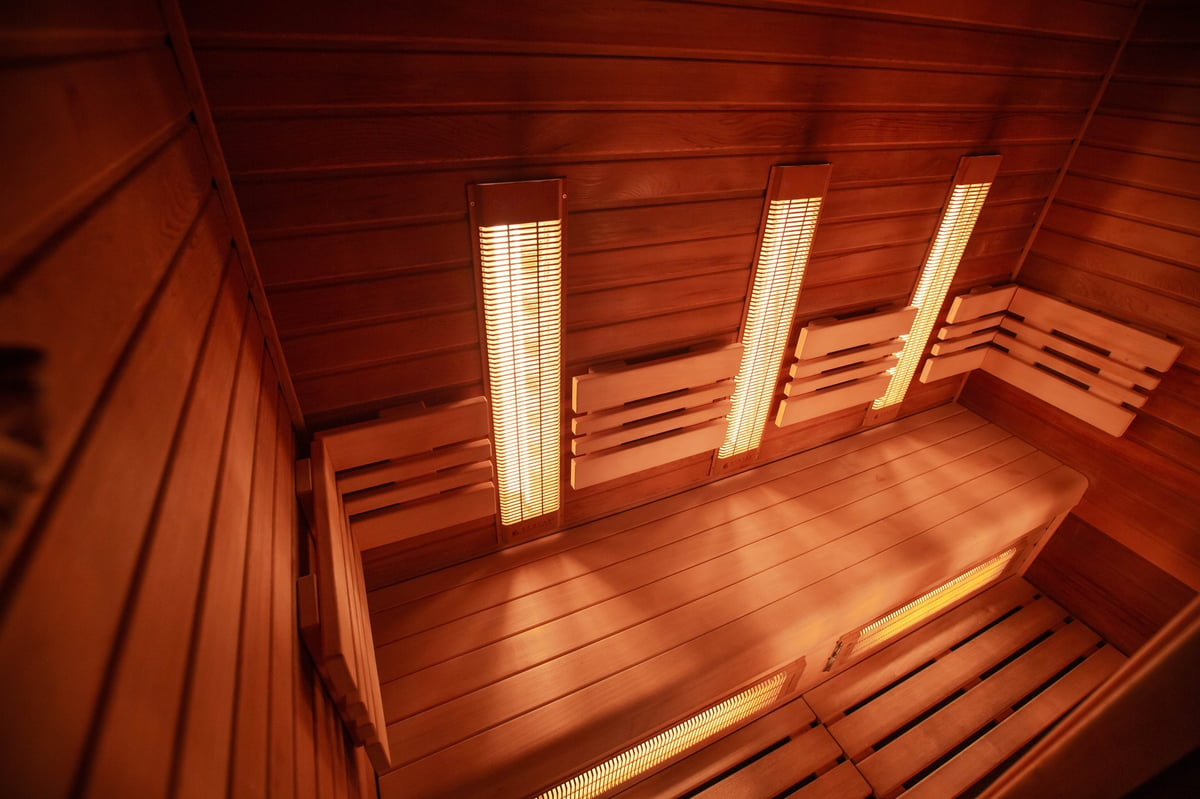
Infrared saunas use panels or emitters that give off radiant heat. Rather than heating the air in the room to a very high temperature, they radiate warmth that your body absorbs directly, much like the warmth you feel from sunlight. Air temperature stays comparatively low while your skin warms up.
Most residential models use carbon fibre or ceramic heater panels, often combined with near-infrared lamps in 'full-spectrum' cabins. Capacity typically runs from one to four people, and many smaller cabins are designed for indoor use in a bedroom, basement or spare room.
2. How traditional saunas work
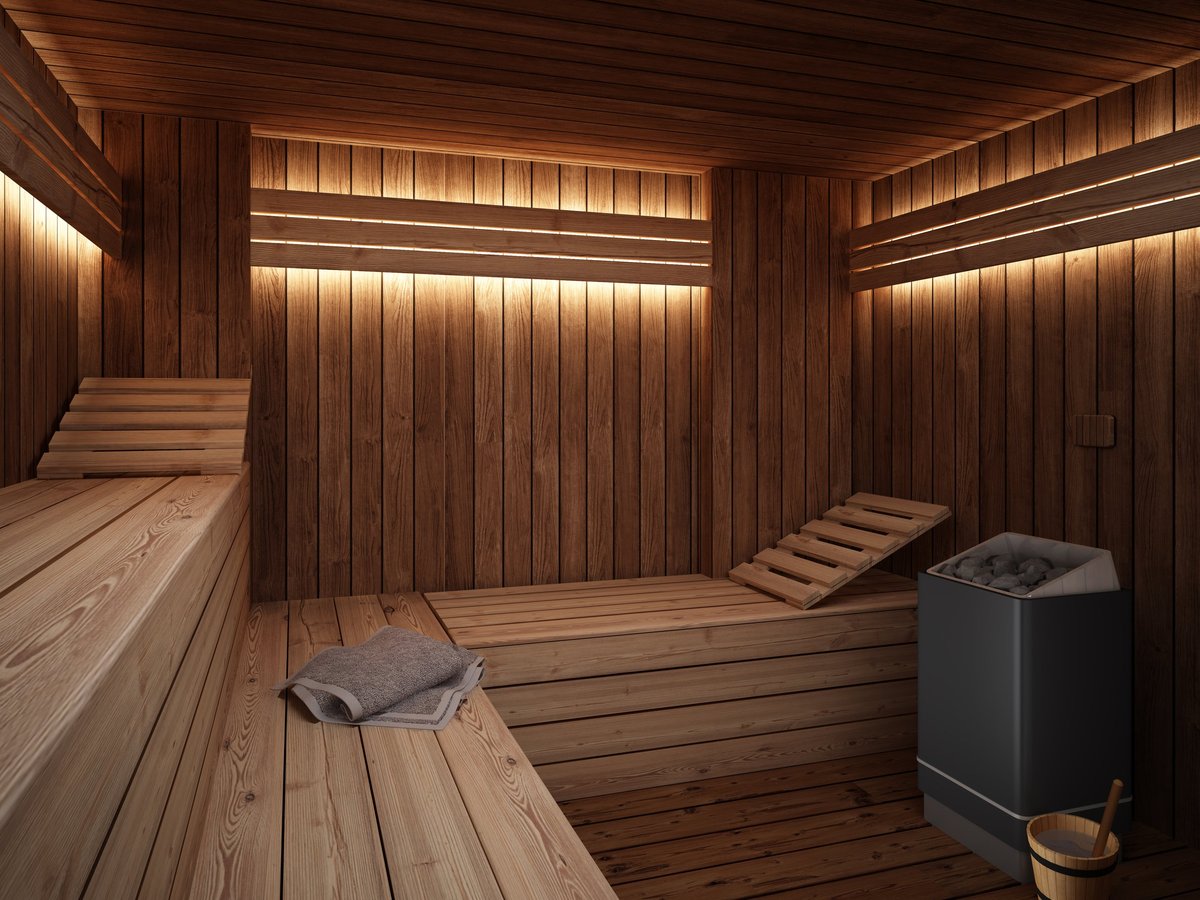
A traditional sauna heats the air in the cabin, usually via an electric heater loaded with sauna stones, or via a wood-burning stove. The room gets genuinely hot — often 160-195°F at bench level — and you create the characteristic humid 'löyly' by pouring water over the stones.
That steam is a big part of the appeal. Traditional sauna bathing is about cycles: sitting in high heat, cooling down, and returning. It's a more social, more ritual experience than most infrared cabins offer.
3. Differences in operating temperature
Infrared cabins typically run at much lower air temperatures — think of air around 110-140°F while the panels themselves are hotter. Some full-spectrum models can push the air higher, but the body is still heated largely by radiation.
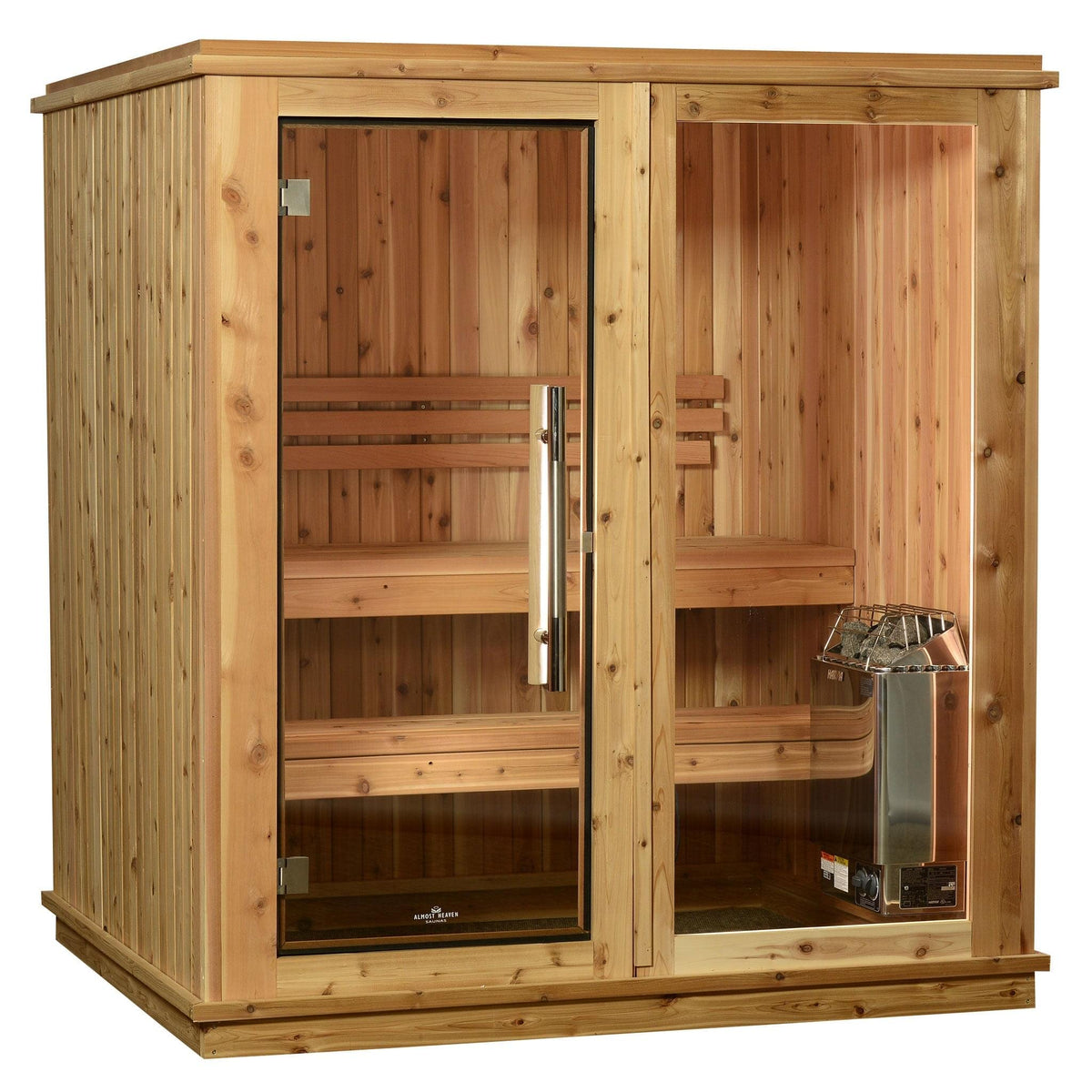
Traditional saunas work at high air temperature. The Harvia-equipped Almost Heaven models in our catalog, for instance, are rated to be very hot indeed, and the heat is the point rather than a by-product.
4. Heating technology compared
- Infrared: carbon panels, ceramic panels, and in full-spectrum units, short-wave near-infrared emitters. Electrically simple, with no stones to manage.
- Traditional electric: a metal heater body filled with stones and controlled by a thermostat or controller. Needs a serious power supply.
- Traditional wood-burning: a stove with a firebox and a flue. No electricity needed for heat, but requires a chimney, fire clearance and a fuel supply.
5. Warm-up times
Infrared cabins generally warm up faster — often on the order of 10-20 minutes for a small cabin — and you're partly warmed by radiation before the room itself is hot. Traditional saunas need longer: 30 minutes to an hour is normal, with more time in winter or for larger rooms.
If you're someone who wants a session on impulse, warm-up time matters more than it first appears.
6. Electrical requirements
This is where the practical difference is sharpest — though not as cut-and-dried as many buying guides suggest.
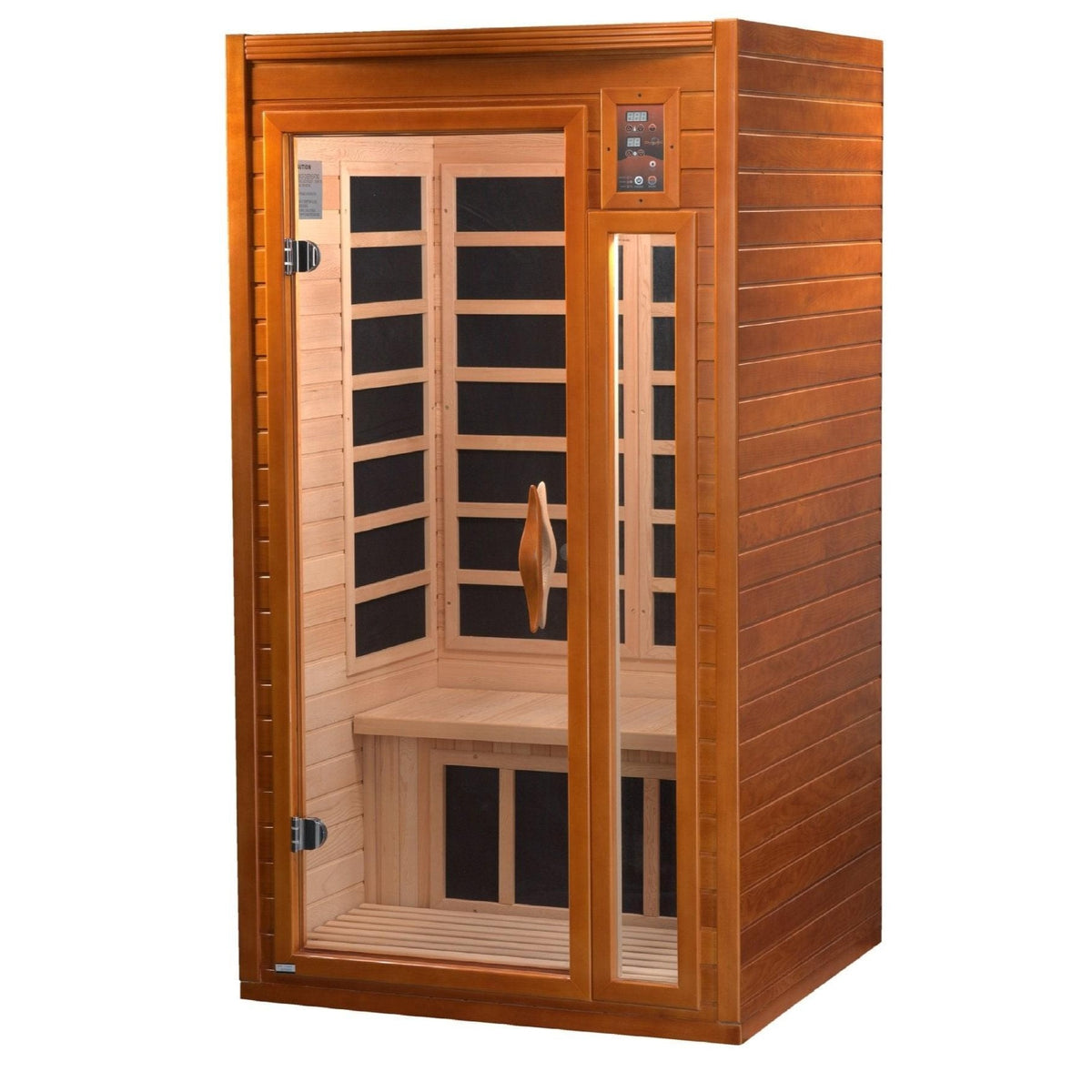
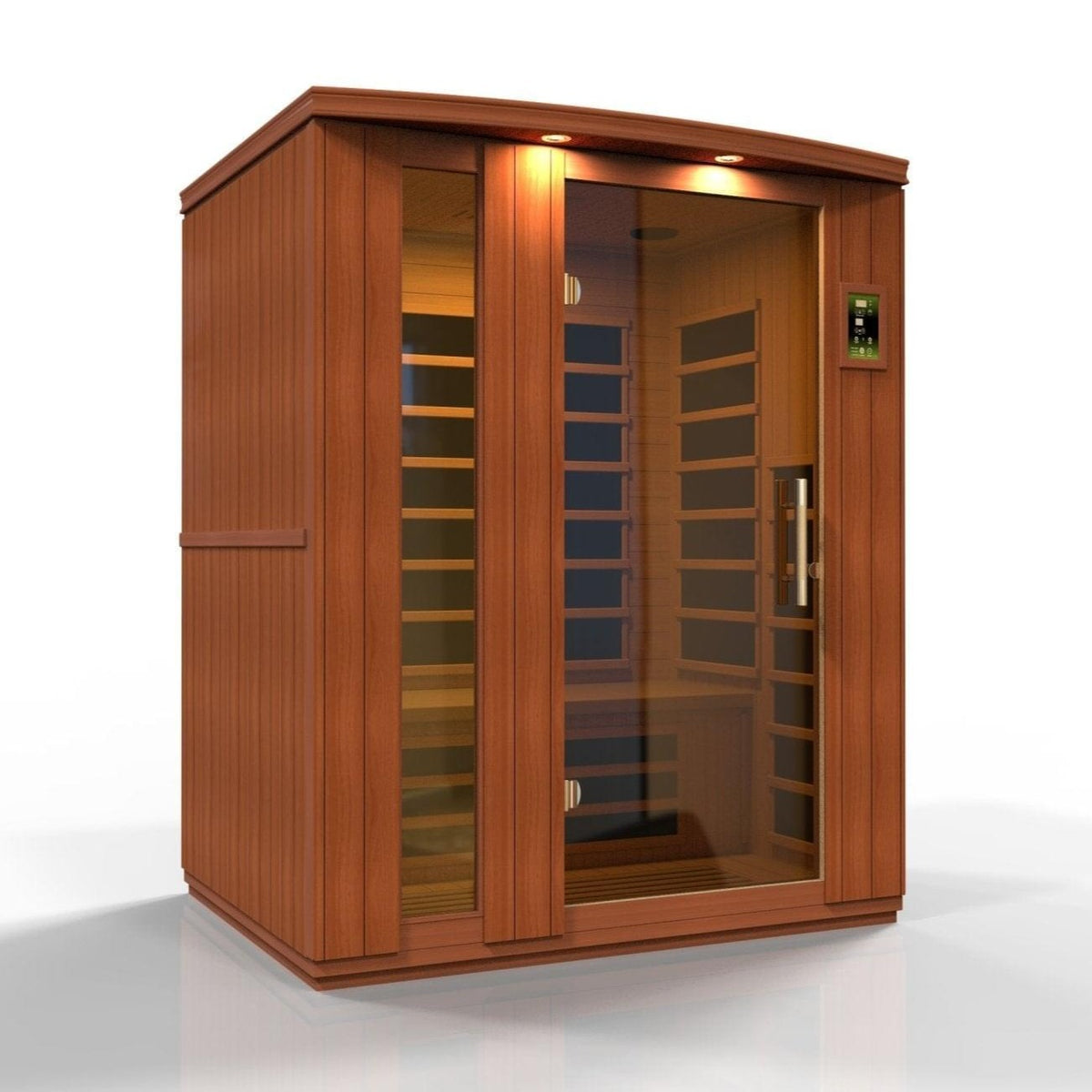
Many small infrared cabins plug into a standard 120V household outlet. The Dynamic Barcelona in our catalog is specified at 120V/15A and plugs in with no hardwiring. Larger infrared cabins and hybrid units may need a 20A circuit or 240V.
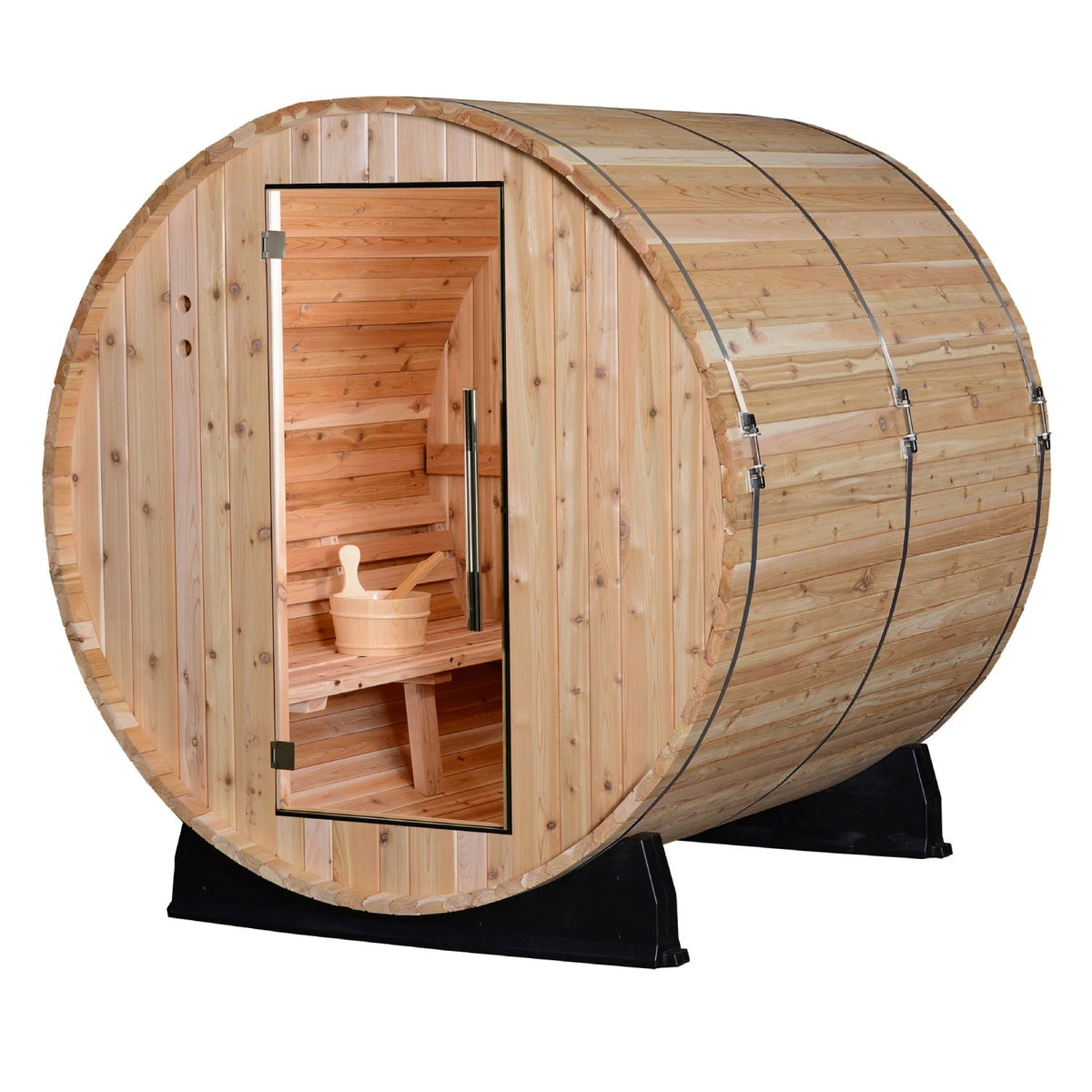
Traditional electric heaters almost always need a dedicated 240V circuit, hardwired, of the size specified for the heater. The Almost Heaven barrel saunas we list use a 6 kW Harvia heater specified at 240V/30A hardwired. Wood-burning stoves avoid that, but bring chimney and fire-clearance requirements instead.
Never assume a voltage from the category. Check the specific model's specification sheet, and have a qualified electrician size and install the circuit. See our full electrical requirements guide for details.
7. Installation considerations
- Infrared indoor cabins usually need only floor space, clearance around the unit and a suitable outlet. Assembly is often a clasp-together panel system.
- Traditional indoor rooms need more structural planning: heat-tolerant surfaces, ventilation, clearance around the heater and a 240V supply.
- Outdoor saunas of either type need a level, well-drained base — and for outdoor electric heaters, a protected power run.
8. Operating costs
Running cost is driven by the heater's power draw and how long it runs. A smaller infrared cabin draws less at any moment but may run longer per session; a traditional heater draws much more but for a shorter, hotter session.
The honest answer is that it depends on your electricity price and habits. Rather than trust a generic figure, use the model's rated wattage or kW — it's on the spec sheet — and multiply by your kilowatt-hour rate and your typical session length.
9. Maintenance differences
Infrared cabins need very little: wipe benches, keep them dry, and follow the maker's guidance on cleaning emitters. There are no stones and no water.
Traditional saunas need more attention: stones age and need replacing, water and humidity stress the wood, and wood-burning stoves need ash removal and flue maintenance. A wooden barrel or cabin outdoors also needs periodic refinishing.
10. Purchase price differences
At the entry end, small infrared cabins are usually the cheapest way into home sauna ownership. In our catalog the two-person Dynamic Barcelona is $1,999 as listed, and the three-person Lugano $2,699 — while traditional options start around $4,000 because they include a heavier heater and sturdier structure.
Hybrid cabins that offer both experiences sit above that. The Finnmark FD-4 Trinity, for example, combines infrared emitters with a small traditional heater and is listed at $7,795.
11. Advantages and disadvantages
| Infrared | Traditional | |
|---|---|---|
| Experience | Radiant warmth, lower air temperature | High air heat plus steam |
| Warm-up | Typically 10-20 minutes | Typically 30-60 minutes |
| Electrical | Often 120V plug-in; some need 240V | Usually dedicated 240V hardwired |
| Install | Simple indoors, little structural work | More planning: heat, vent, power |
| Maintenance | Low | Stones, moisture, (stove) flue |
| Entry price | Lower | Higher |
| Best for | Quick, private, low-power sessions | Social, high-heat, ritual bathing |
12. Which sauna is best for different buyers
- Renting, or limited electrical access: a 120V infrared cabin is often the only realistic option.
- Small indoor space and a modest budget: a compact infrared cabin such as the Barcelona.
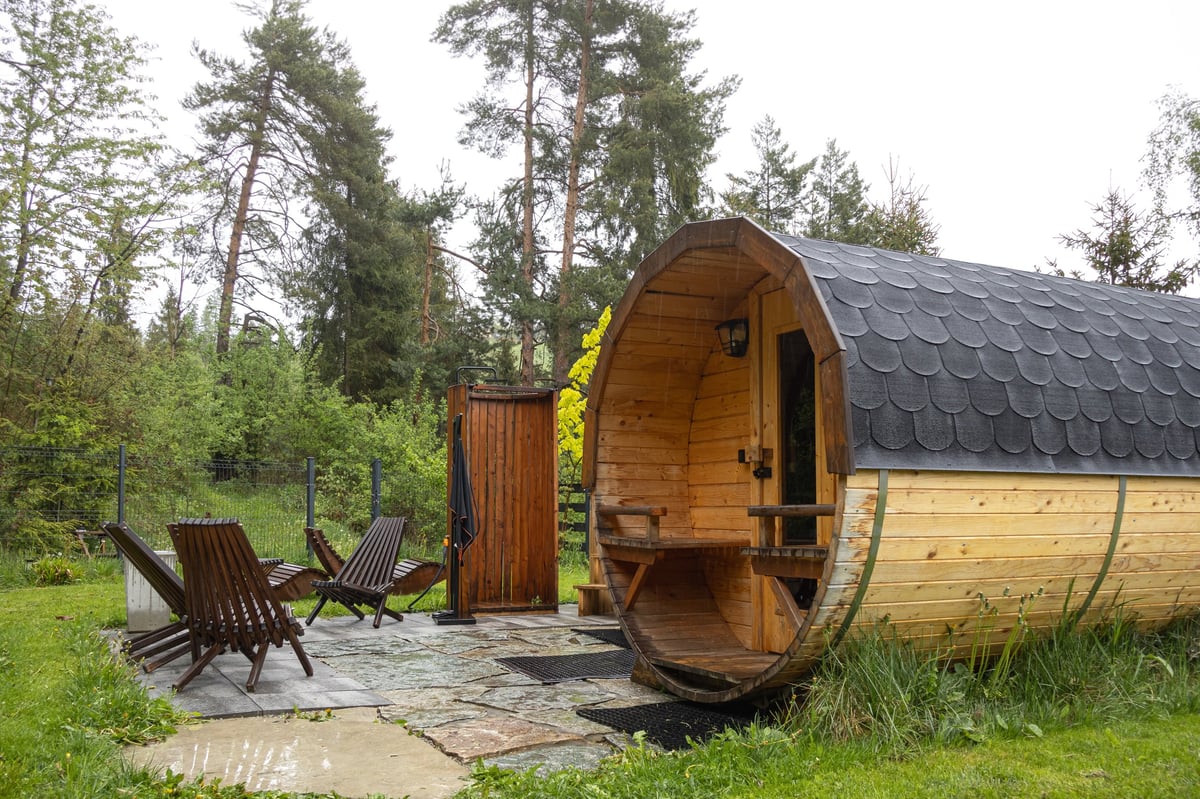
- Family or social bathing, and you can run 240V: a traditional barrel or indoor room.
- You want both experiences and have the budget: a hybrid cabin like the FD-4 Trinity.
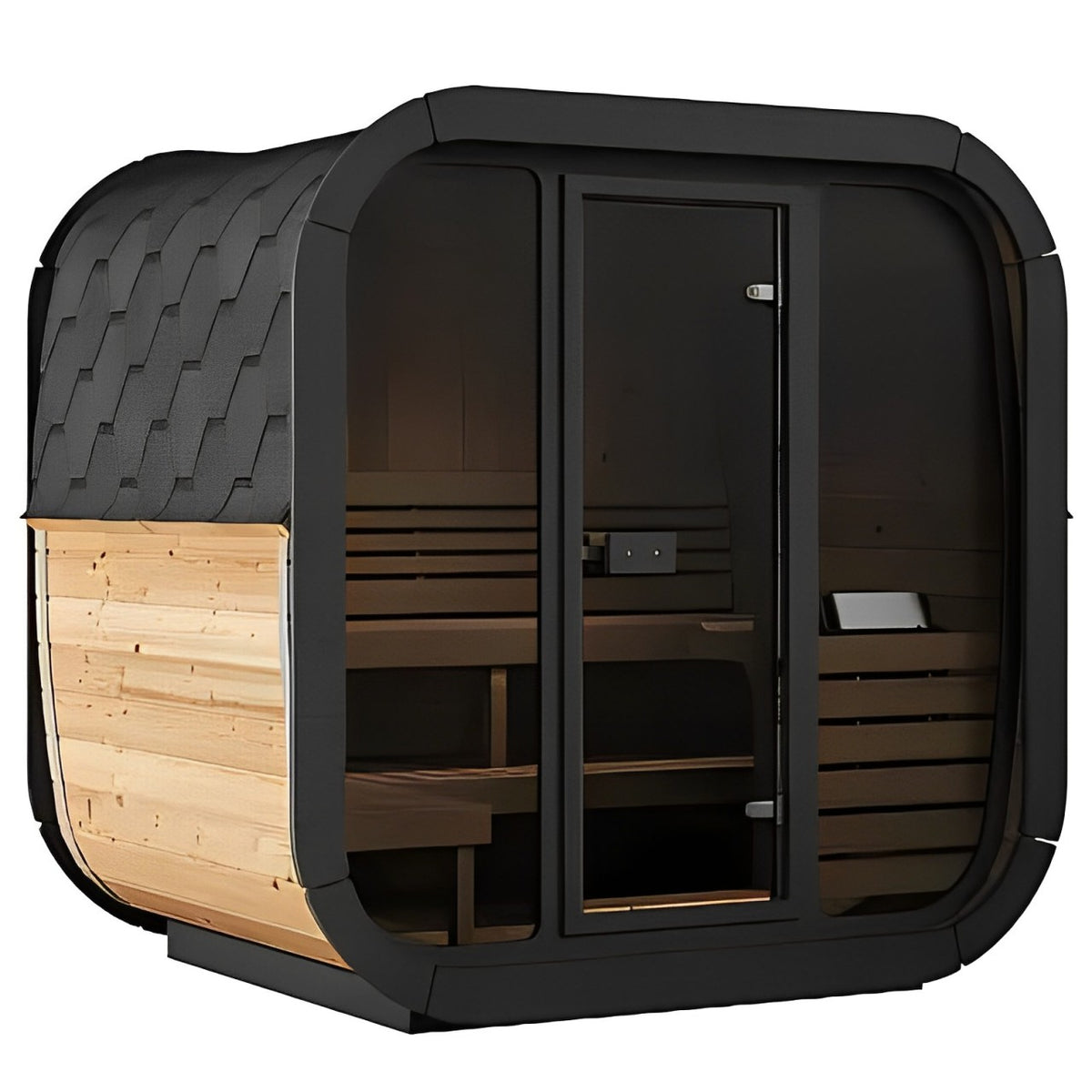
- Backyard project with room for a build: a traditional outdoor cabin, alone or with a changing area.
What a session actually feels like
Step into an infrared cabin and the air is mild; within a few minutes you feel warmth building under the skin, especially on the back and legs where panels are closest. You tend to stay longer and read or talk.
Step into a traditional sauna and the heat hits your face and breath first. Sessions are shorter and more intense, punctuated by ladling water over the stones and cooling outside. The contrast between the two is the reason hybrids exist.
If you've only tried one, try the other before spending thousands. Many gyms, spas and leisure centres offer day passes — the cheapest research you'll do.
Health expectations, honestly stated
Sauna bathing is a pleasant, well-established pastime, but it isn't a treatment. Be cautious about cabins marketed with specific medical claims — specifications are what you can compare, medical outcomes are not.
People with heart conditions, low blood pressure, who are pregnant or taking medication that affects circulation should talk to a doctor before using any sauna. Spend shorter first sessions and drink water, whatever type you choose.
Which to buy first
If you're unsure, the 120V infrared cabin is the lower-risk entry: fewer install constraints, lower cost, easier to move. If after a season you find yourself wanting the higher heat and steam, a traditional cabin will hold its appeal exactly for those reasons.
If you already know you love traditional sauna, go straight there. An infrared cabin won't feel like a substitute to someone who wants löyly.
Frequently asked questions
Can you put water on an infrared sauna?+
No. Infrared cabins use electrical panels and aren't designed for water on the emitters. Steam is a traditional sauna feature.
Which is cheaper to buy, infrared or traditional?+
Small infrared cabins are usually the cheapest entry point. Traditional saunas include a heavier heater and typically cost more.
Do infrared saunas get hot enough?+
Air temperature is lower by design, but the body is warmed by radiant heat. Whether that feels sufficiently hot is personal — try one if you can.
Infrared saunas in our catalog
Traditional saunas in our catalog

SaunaMatch is reader-supported. When you buy through links on this site we may earn a commission from Select Saunas or Sweaty Yeti at no extra cost to you. Prices were verified on 2026-10-30 and can change — always confirm at the retailer.
Ready to compare your options?
Browse verified models side by side — price, capacity, heating and exactly what's included.