Table of contents20 sections
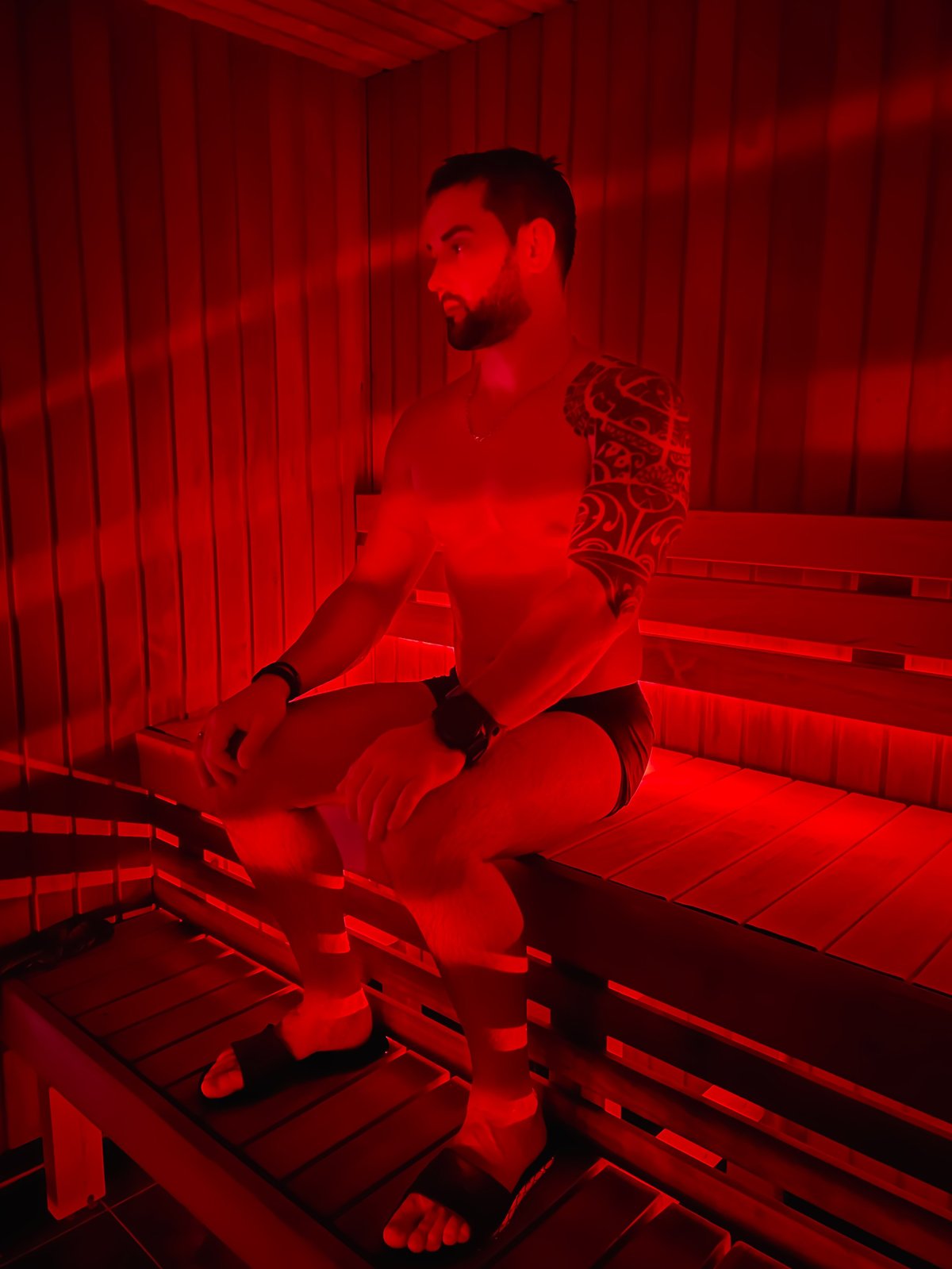
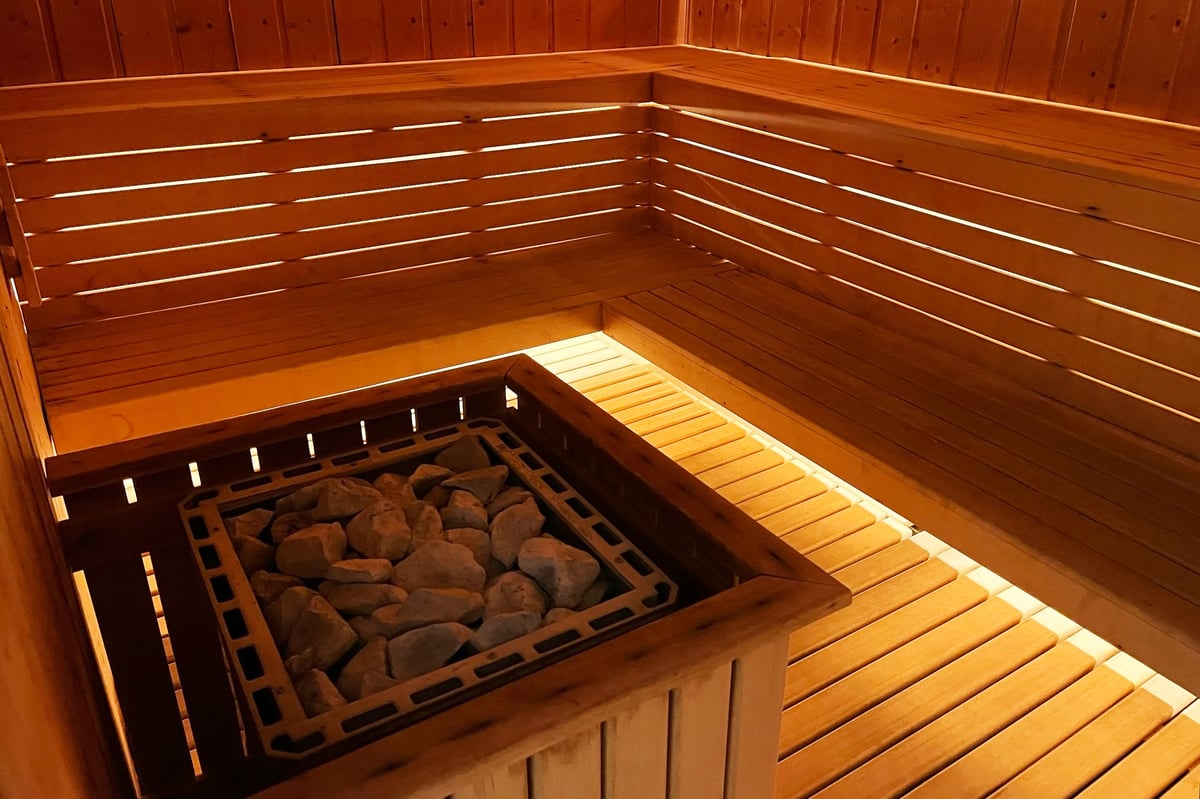
- 1. Advantages of indoor saunas
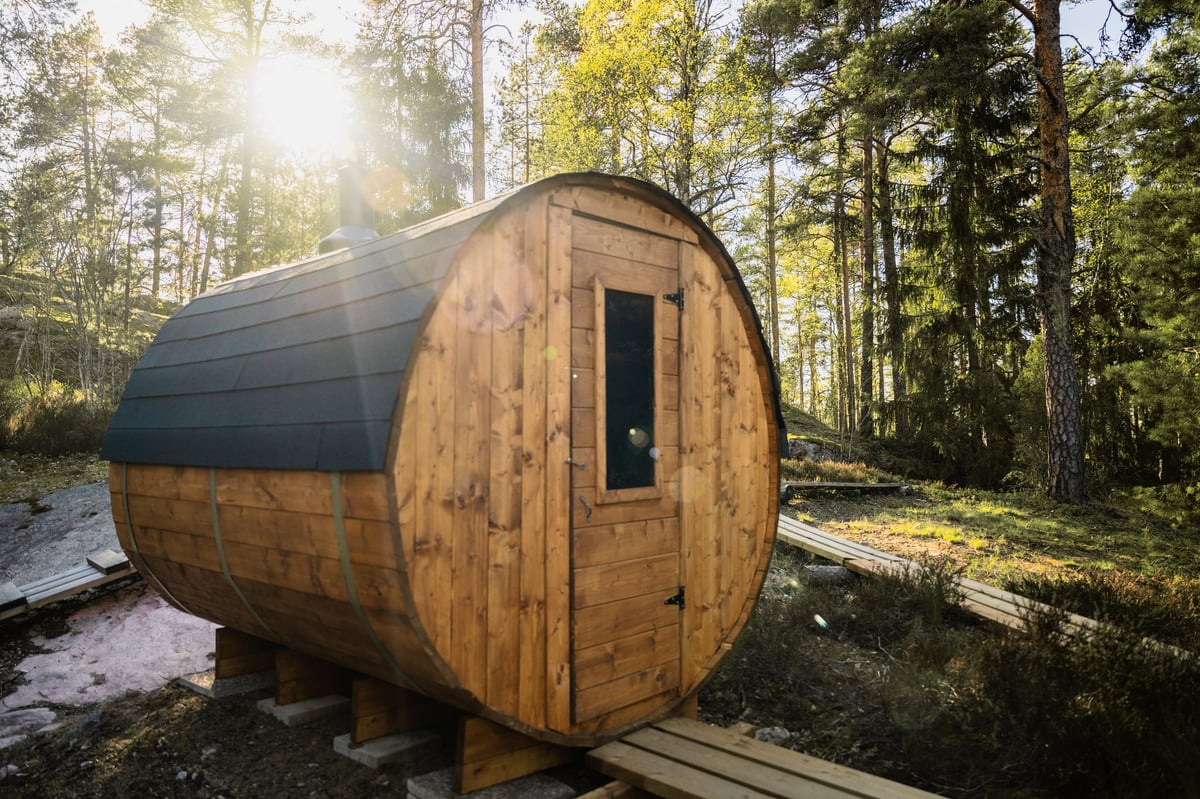
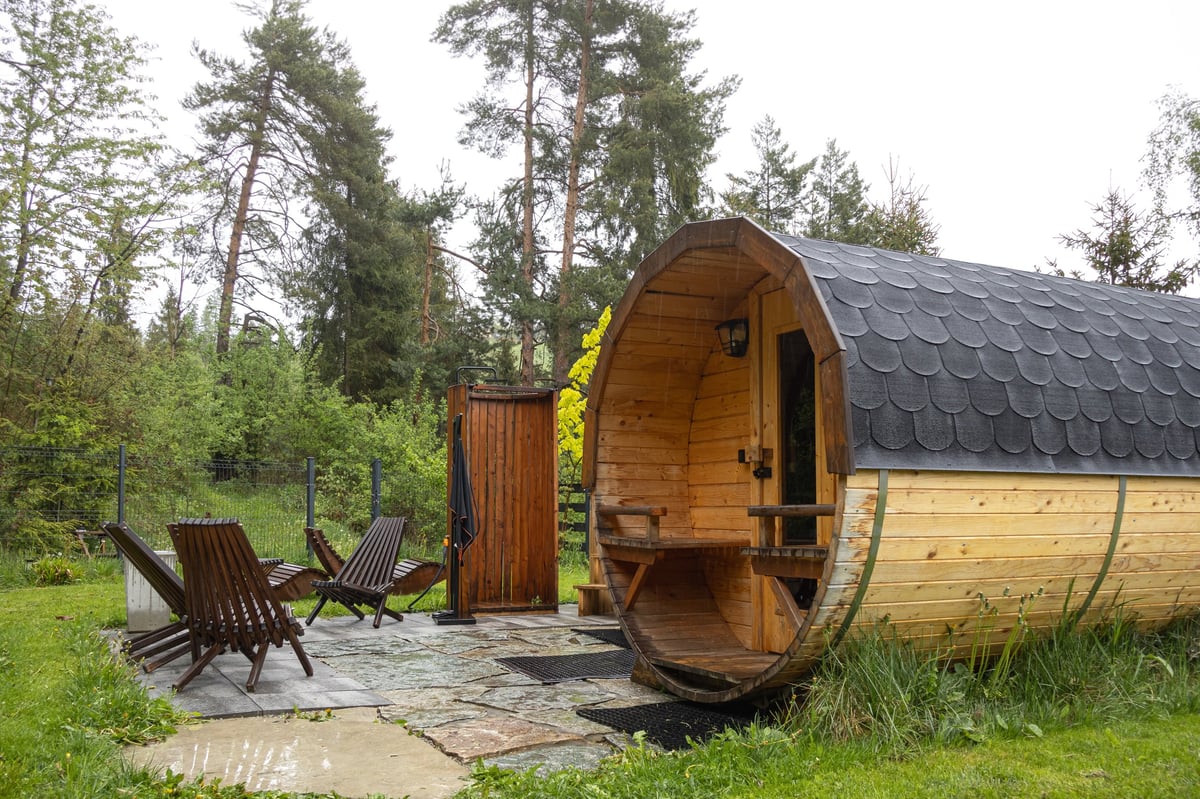
- 2. Advantages of outdoor saunas
- 3. Space requirements
- 4. Electrical considerations
- 5. Ventilation
- 6. Weather exposure
- 7. Foundation requirements
- 8. Installation complexity
- 9. Maintenance
- 10. Costs
- 11. Privacy and accessibility
- 12. Choosing the right location
- Side-by-side
- What each costs to set up
- Heating speed and your routine
- Using an outdoor sauna in cold weather
- Moisture and your home
- Winter use
- Resale and practicality
- Our recommendation
An indoor sauna is convenient and sheltered. An outdoor sauna is an experience and a destination. Which is right for you depends on your house, your climate and how you want to use it.
1. Advantages of indoor saunas
- No weather exposure — usable year-round in any climate.
- Usually simpler installation and a shorter run to power.
- No foundation landscaping work.
- Compact cabins fit spare rooms.
2. Advantages of outdoor saunas
- A genuine retreat away from the house.
- No impact on indoor moisture or heat.
- Larger options for families and hosting.
- Great for pairing with a cold plunge.
3. Space requirements
Indoors you're limited by room dimensions and doorway access. Outdoors you have more freedom, but you must account for a base and for access to the site for delivery.
4. Electrical considerations
Indoor smaller infrared cabins can run on 120V; traditional rooms need 240V. Outdoors you'll usually need a protected supply run, and in both cases the circuit must suit the heater's specification.
5. Ventilation
Indoors, ventilation matters for comfort, moisture and the building. Outdoors, ventilation still affects the sauna experience and the longevity of the wood.
6. Weather exposure
Outdoor saunas must withstand rain, sun, frost and wind. Look for weather-ready timber and finishes, and plan periodic refinishing.
7. Foundation requirements
Indoor saunas need a suitable floor that is flat and moisture-tolerant — typically not carpet. Outdoors, a level, well-drained base is essential.
8. Installation complexity
Indoor wins for simplicity: no foundations, shorter power runs, no landscaping. Outdoors adds site works but gives more freedom.
9. Maintenance
Indoor cabins get away with wiped benches. Outdoors adds exterior wood care, roof checks and seals.
10. Costs
Cabin prices can be similar, but the outdoor total includes base preparation and longer electrical runs. Indoor may need a floor upgrade instead.
11. Privacy and accessibility
Indoors is more private and immediately accessible. Outdoors requires stepping outside — lovely in summer, less so in winter.
12. Choosing the right location
- Avoid placing an outdoor sauna in a low, wet or shaded area.
- Keep the electrical runs as short as practical.
- Think about distance from the house for winter use.
- Leave room for maintenance access.
Side-by-side
| Indoor | Outdoor | |
|---|---|---|
| Weather | Protected | Full exposure |
| Foundation | Existing floor | Level base required |
| Power run | Short, indoor | Protected outdoor run |
| Maintenance | Low | Higher (exterior wood) |
| Year-round use | Easiest | Weather dependent |
| Cold plunge pairing | Tricky | Natural fit |
What each costs to set up
Indoors, the main extra is usually electrical work — a dedicated circuit and, if needed, a panel upgrade. There's no base to lay and no landscaping, though you may want a floor mat and possibly lighting.
Outdoors, budget for a level base, a protected power run (often with trenching), and possibly extra offloading help for delivery. In many gardens the site preparation costs as much as the electrical work.
Heating speed and your routine
An indoor cabin that heats in 15 minutes suits spontaneous use; a large outdoor sauna that needs 45 minutes suits planned ritual. Be honest about which you are.
If you plan to use it most days, choose something that's quick to reach temperature and close to the house. Convenience keeps habits alive more than anything else.
Using an outdoor sauna in cold weather
Cold weather makes an outdoor sauna feel more rewarding, but plan for it: a cleared path, a light you can switch on before you walk out, and somewhere to put a robe that won't get damp.
Warm-up takes longer in winter. Some bathers start the sauna a little earlier and use a controller or timer so it's ready. Check whether the heater you choose supports a delayed start.
Moisture and your home
An indoor sauna adds heat and humidity to the room around it. That's usually manageable with ventilation and a suitable floor, but it's worth thinking about adjacent finishes: plaster, timber floors and artwork near a sauna will see more moisture than they otherwise would.
If you're putting an indoor cabin in a basement, check for existing damp before you install. A sauna won't fix a damp room, and it may make it worse.
Winter use
Outdoor saunas shine in winter, but access matters: a path through snow, a light so you can get there after dark, and a plan for getting warm quickly. Some people fit insulation to speed warm-up.
Indoor saunas lose that ritual of stepping into cold air — which is part of the appeal for many bathers. If the cold-air transition is what you want, outdoors wins.
Resale and practicality
An outdoor sauna can become a feature that adds appeal to a garden, but it's not usually treated as a fixed addition to a home's value. An indoor cabin can be removed and moved with you more easily if it's a kit.
Think about whether you might move house mid-life. Compact kits travel better than installed cabins.
Our recommendation
If you'll use it several times a week year-round and want it accessible in a dressing gown, indoors is usually the more sustainable habit. If it's a weekly ritual you want to look forward to, outdoors is often the more rewarding.
Frequently asked questions
Is an outdoor sauna harder to maintain?+
Yes, somewhat — exterior timber needs refinishing and the roof and seals need checking. Indoor cabins have less exposure.
Can I use an indoor sauna all year?+
Yes, that's one of its main advantages. Ensure the room has adequate ventilation.
Do outdoor saunas need a foundation?+
They need a level, well-drained base such as a concrete pad, compacted gravel or decking.
Compare indoor and outdoor saunas

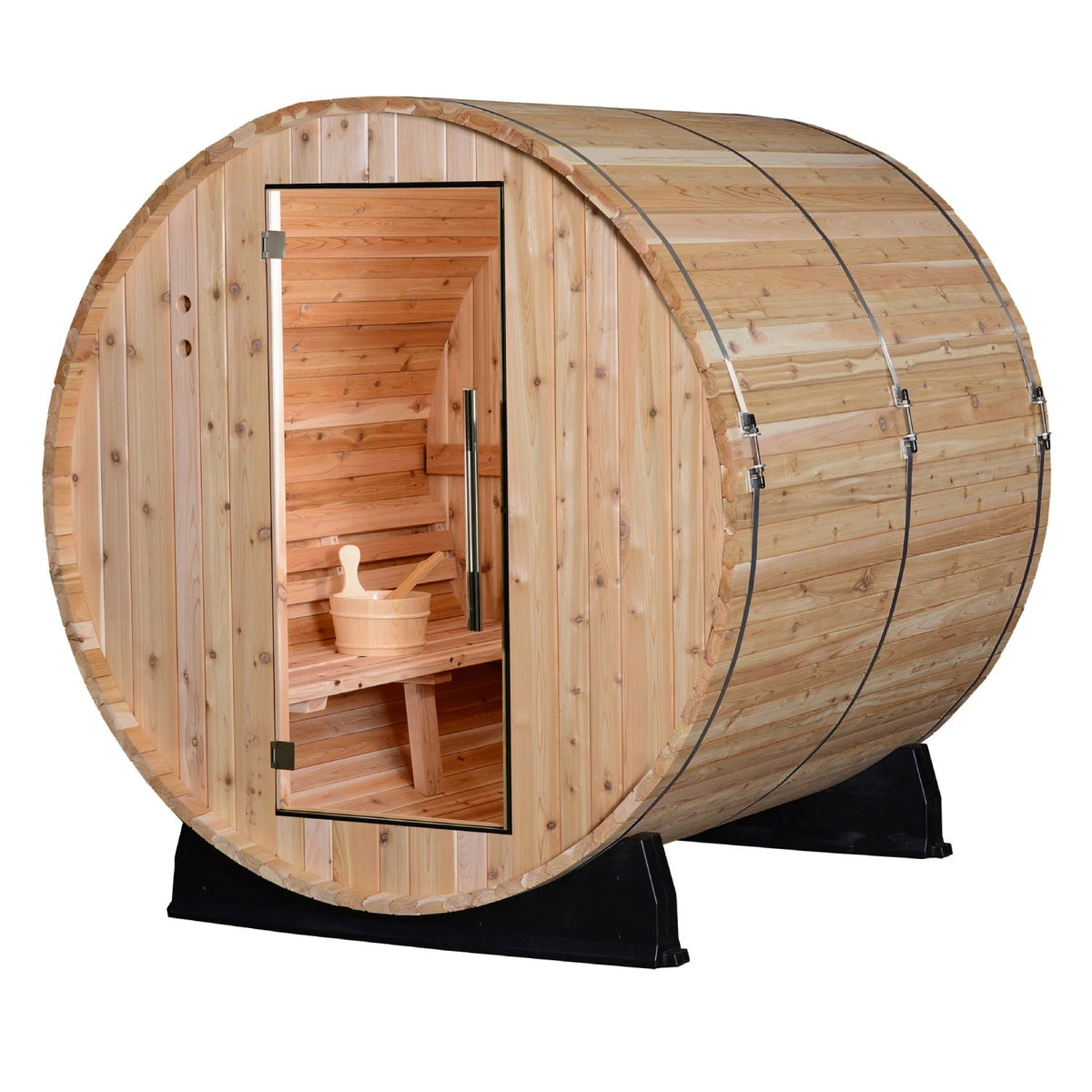
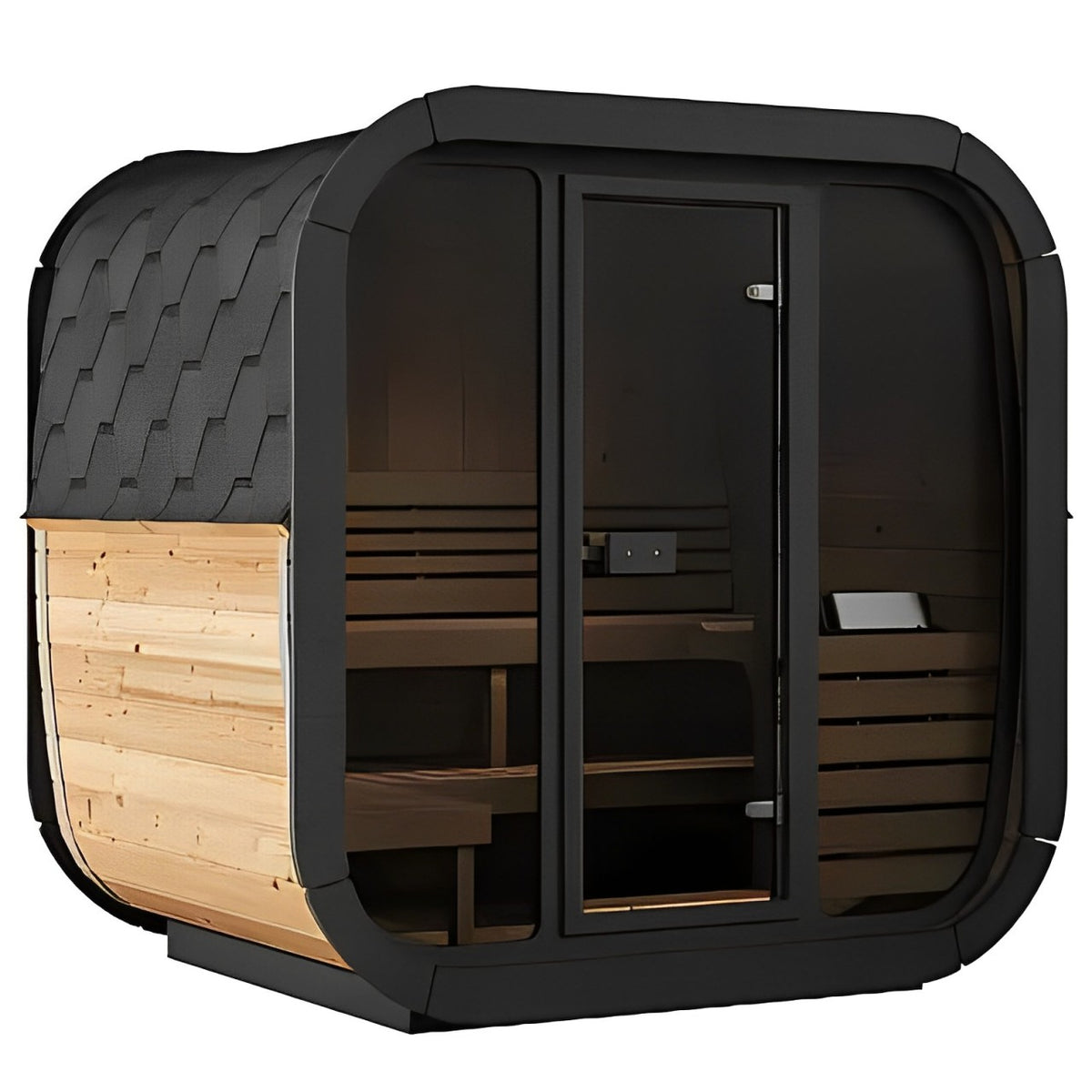


SaunaMatch is reader-supported. When you buy through links on this site we may earn a commission from Select Saunas or Sweaty Yeti at no extra cost to you. Prices were verified on 2026-10-30 and can change — always confirm at the retailer.
Ready to compare your options?
Browse verified models side by side — price, capacity, heating and exactly what's included.