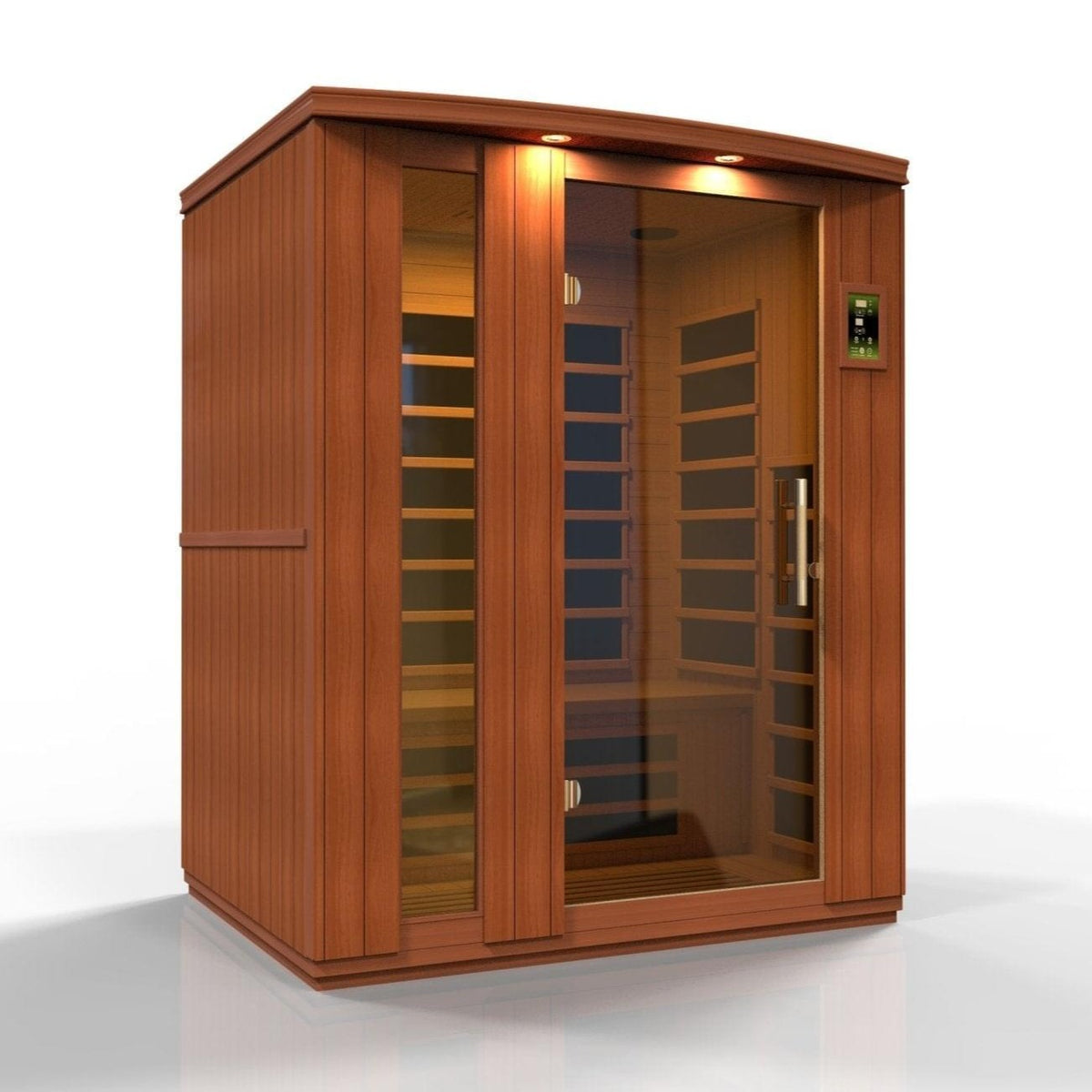
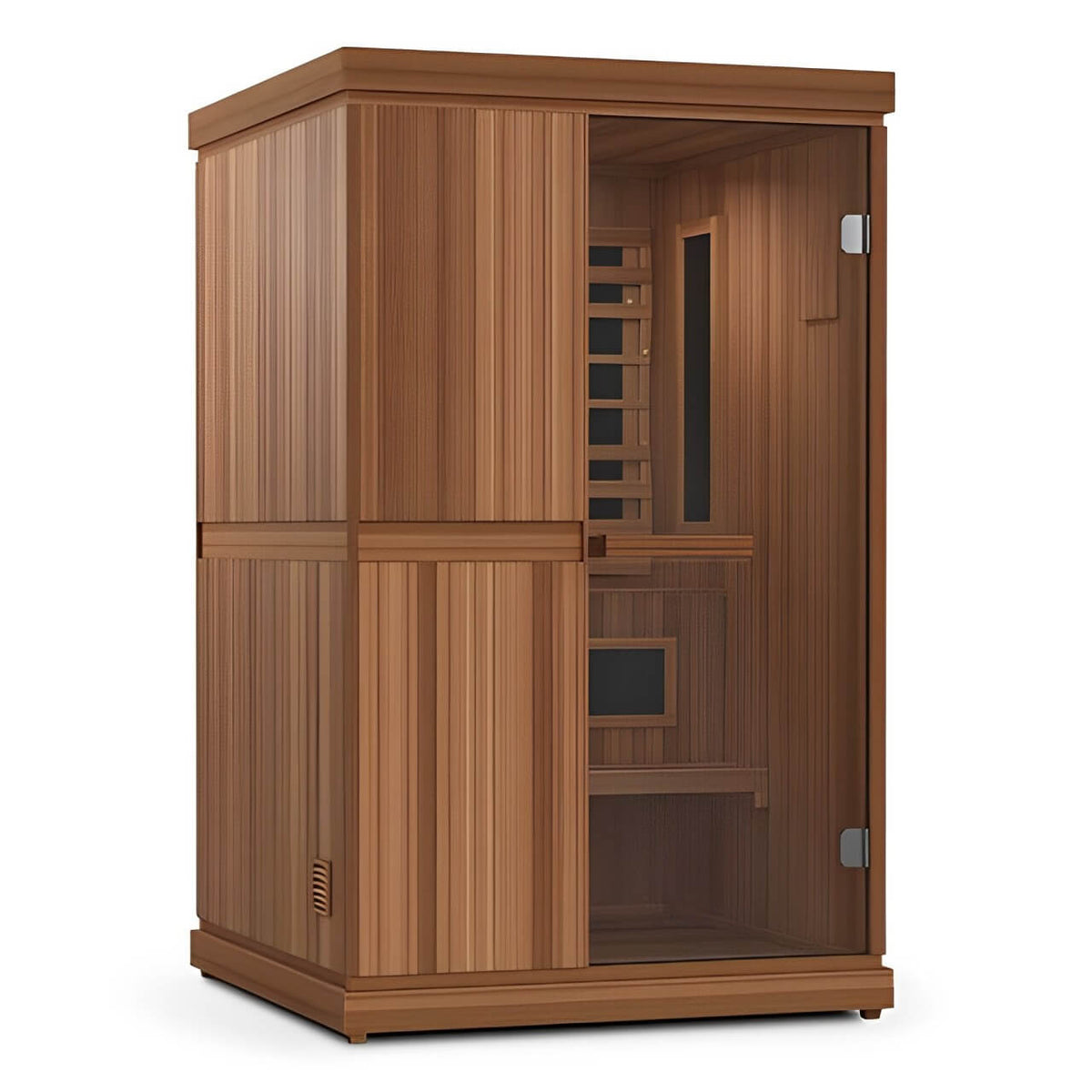
01
How infrared saunas work
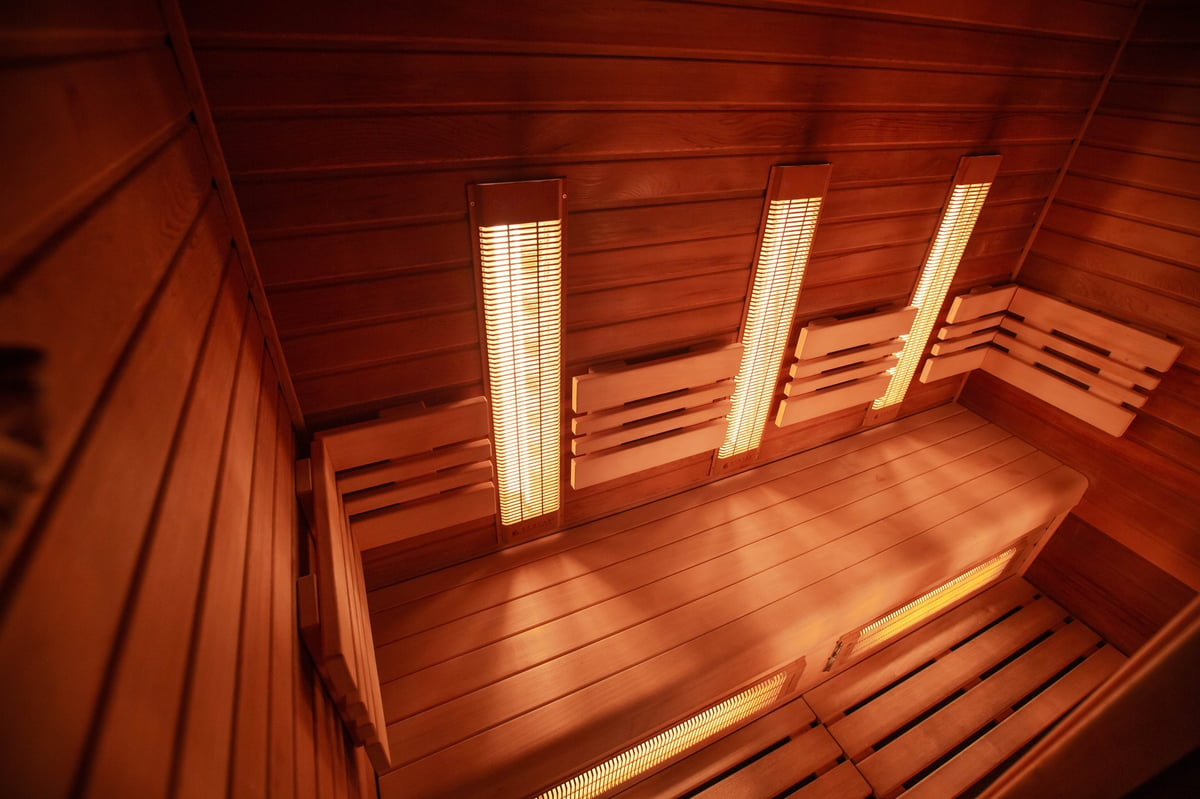
Infrared panels emit radiant heat that warms surfaces and the body directly, rather than heating the air to 180–200°F like a traditional sauna. Air temperature is typically much lower and sessions are often longer. Because the body absorbs the heat directly, how you're positioned relative to the panels matters more than in a traditional sauna.
02
Full-spectrum vs. far-infrared
Far-infrared panels emit at wavelengths that penetrate the skin slightly deeper, while full-spectrum cabins add mid- and near-infrared emitters. Full-spectrum units often include additional heater styles (carbon, ceramic, mica) and a front-facing near-infrared emitter. Neither is objectively 'best' — compare total emitter power, which emitter types are included, and whether any near-infrared emitter faces forward toward the bather.
03
Choosing a size
Measure the floor area and ceiling height where the sauna will live, then subtract clearance for doors and any bench depth. A 1–2 person cabin typically needs roughly 3–5 ft of floor depth and 6–7 ft of height. Buy for your usual use — a 4-person cabin you use alone is mostly wasted heating energy.
04
Electrical requirements
Many 1–2 person infrared cabins run on a standard 120V household circuit, but larger cabins and higher-wattage full-spectrum models often require a dedicated 240V circuit. Always confirm the manufacturer's specified circuit and breaker size, and budget for an electrician if a dedicated circuit is needed.
05
Indoor installation considerations
Check ceiling height, door swing, floor loading and whether the room has adequate ventilation. A dedicated outlet within reach of the cord is essential. Basements and bathrooms need particular attention to moisture control around the unit.
06
Maintenance
Infrared cabins need very little upkeep: wipe benches after use, vacuum emitter surfaces gently as instructed, and keep the cabin dry. There are no stones to replace and no water to drain — one of their practical advantages.
07
Common purchasing mistakes
Comparing only headline wattage, assuming any wall outlet will do, and skipping the tape-measure step. Read warranties closely too: heater and electronics coverage often differs from the structural frame.
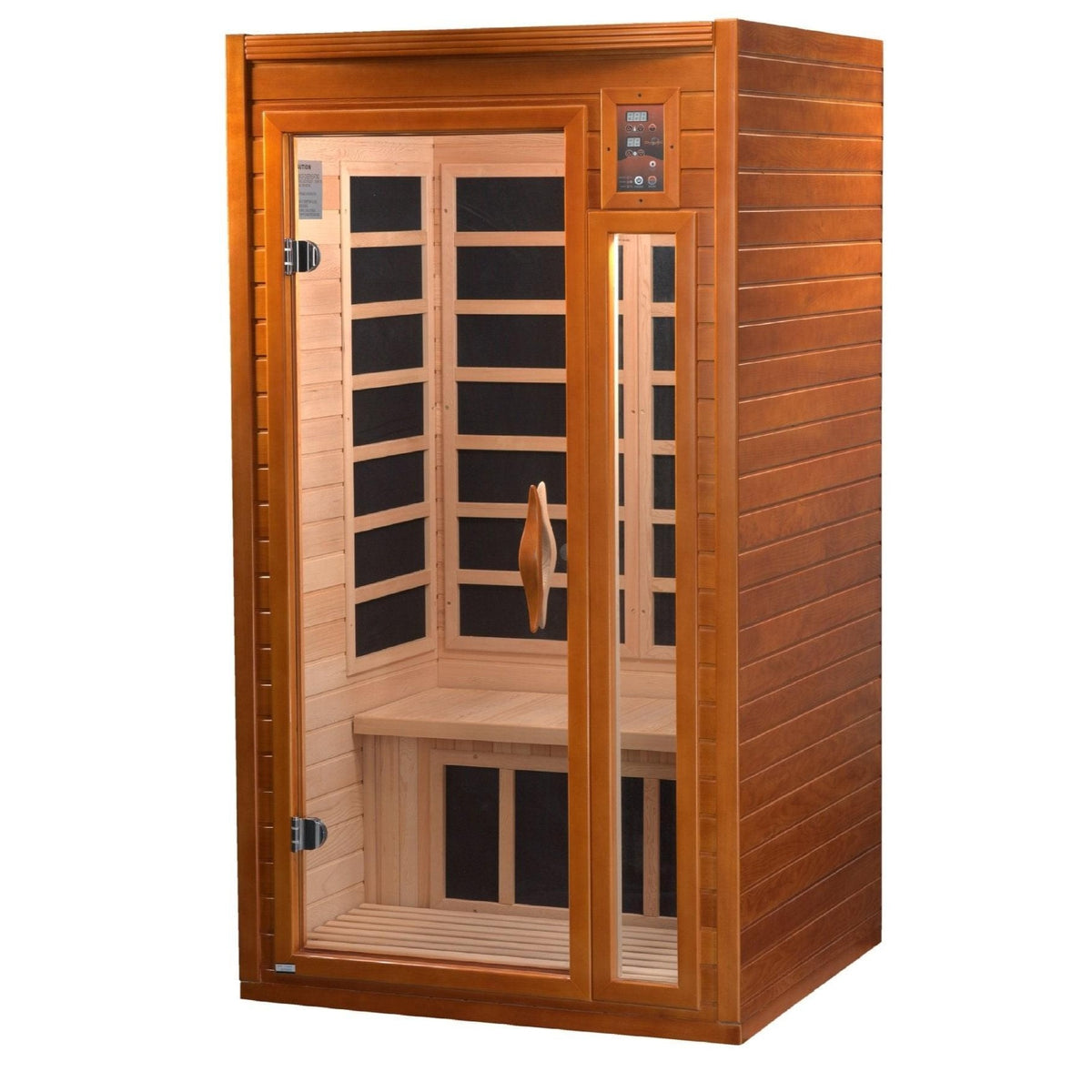 Best Overall