Table of contents19 sections
- 1. Indoor or outdoor?
- 2. Infrared or traditional
- 3. Determine the right size
- 4. One-person, two-person, or family
- 5. Budget
- 6. Electrical requirements
- 7. Available installation space
- 8. Materials and construction
- 9. Warranty
- 10. Manufacturer and retailer reputation
- 11. Installation and assembly
- 12. Common mistakes to avoid
- The mistakes that cost the most
- Timeline: what happens after you order
- Where to shop, and how to judge a seller
- What 'starter' and 'premium' mean in practice
- Budgeting for the extras
- Draw your own floor plan
- Before you buy
Buying a sauna is a property decision as much as a product purchase. Most regrets come from skipping an early question — the power supply, the door width, the real clearance — and discovering it after delivery.
Work through these twelve points in order. Each one narrows the field for the next, and by the end you'll have a shortlist short enough to compare properly.
1. Indoor or outdoor?
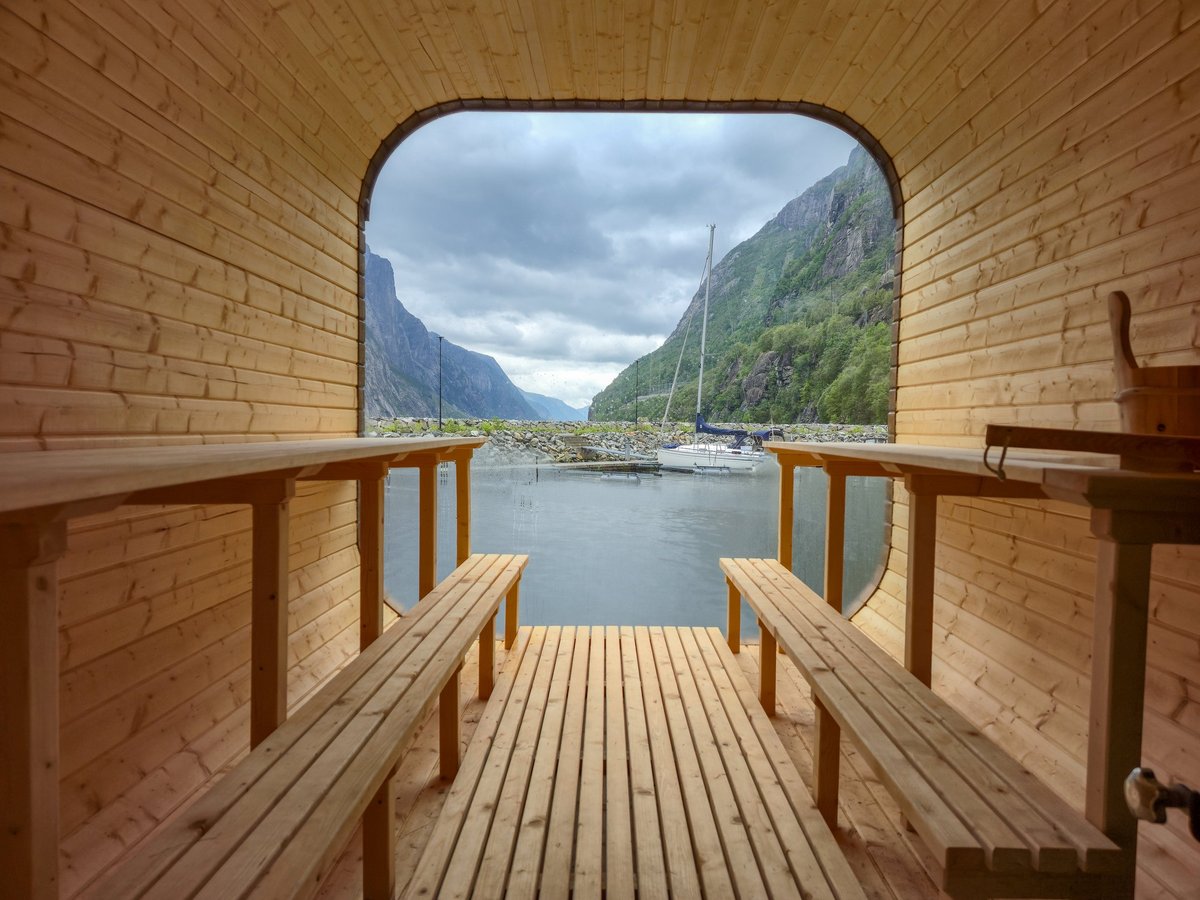
Outdoor saunas feel like a retreat and keep moisture and heat out of the house, but they need a level base, weather-ready construction and a protected power run. Indoor cabins are simpler to install, but you need a room that can tolerate heat and humidity and you need the space to keep.
2. Infrared or traditional
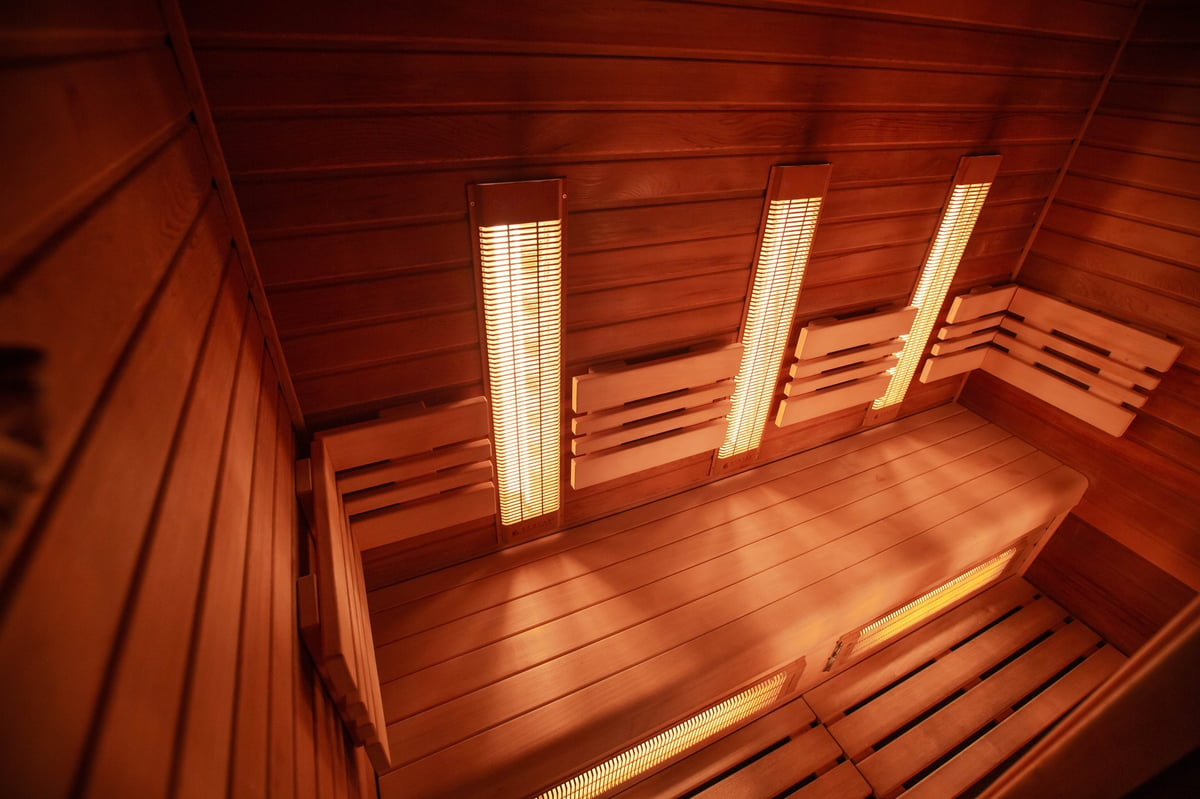
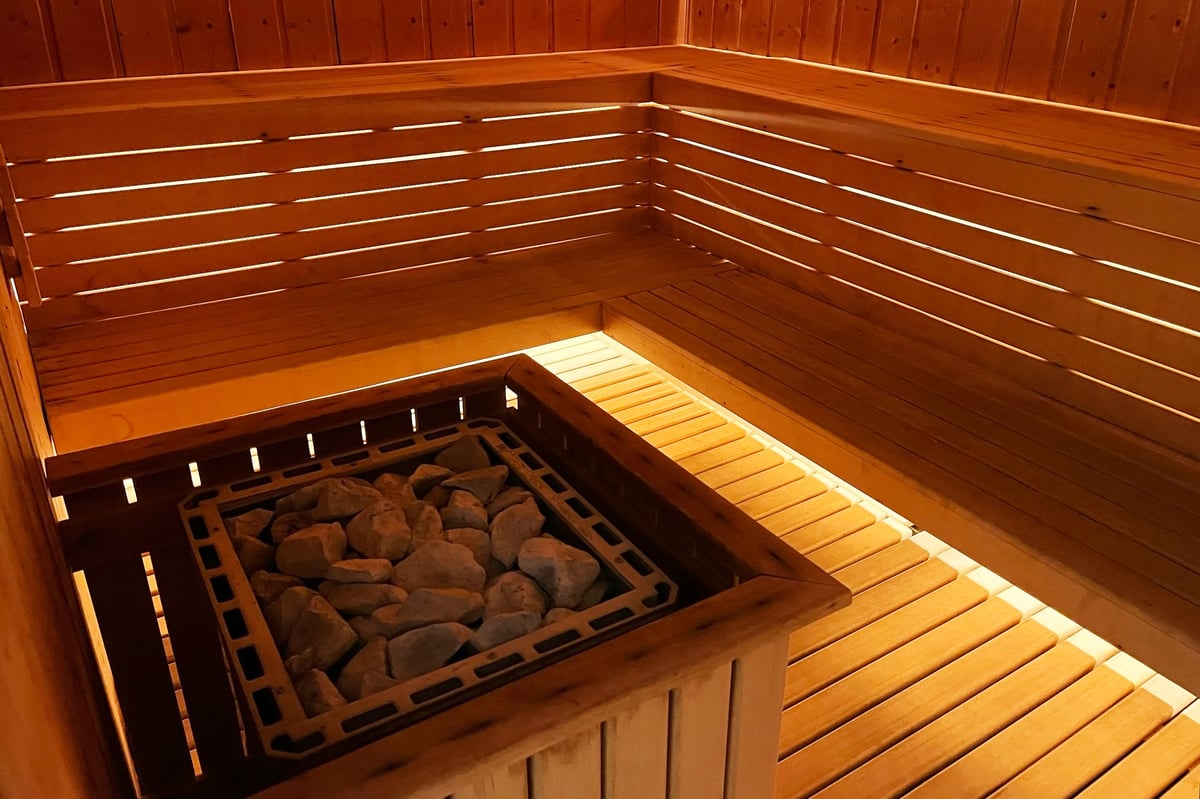
This decides your electrical needs and your experience more than anything else. Infrared is lower-temperature radiant heat, often plug-in; traditional is high air heat with steam, usually 240V. Our full infrared vs traditional guide covers the trade-offs.
3. Determine the right size
Measure the room, then subtract clearance for the door swing and around the heater. Manufacturer capacity ratings often describe maximum seating — two people on a bench can be snug. Size for comfortable use, not the brochure number.
4. One-person, two-person, or family
- One person: a compact cabin; ideal for a corner of a room.
- Two people: the most common choice for couples.
- Three to four: family or regular hosting; cabins or barrels of 6×6 ft and up.
- Five to six: large cabins; plan foundations and access carefully.
5. Budget
Budget should include the sauna, the heater if it isn't included, electrical work, base preparation, delivery and any lifting or assembly help. A 'cheap' kit without a heater can end up costing more than a package that includes one.
6. Electrical requirements
Read the specific model's spec sheet. Check whether it needs 120V or 240V, plug-in or hardwired, and what amperage. Then check what your home actually has available — an electrician can tell you quickly.
7. Available installation space
Account for approach routes: can the crate fit through a gate, down stairs, around a corner? Large saunas ship on pallets and are delivered curbside, so you need a plan for moving them into place.
8. Materials and construction
Cedar, spruce and aspen are common. Look at wall thickness, how the sections join, and whether the glass is tempered. Outdoors, check the timber and finish are rated for weather; indoors, moisture resistance matters.
9. Warranty
Warranty is often split: a structural warranty on the room, a shorter one on heaters and electronics, and sometimes only a year on heating elements. Compare terms, not just headline years — and note whether labour is covered.
10. Manufacturer and retailer reputation
Established makers with published specifications and clear manuals are easier to live with. Check that the retailer is an authorised dealer, that the specs on the listing are complete, and how they handle delivery and missing parts.
11. Installation and assembly
Some cabins assemble in hours with a cordless drill; others are best fitted by professionals. Read the manual before you buy and be realistic about your own skills — especially for anything involving the heater or wiring.
12. Common mistakes to avoid
- Buying without checking the electrical supply.
- Trusting capacity ratings over real seat comfort.
- Forgetting delivery access and offloading help.
- Treating a cabin price as an all-in price when the heater is extra.
- Choosing a location without drainage or a level base in mind.
The mistakes that cost the most
If you only remember three things from this guide, remember these: check the electrical supply, confirm the heater is included, and measure the delivery route. Between them they account for most of the budget overruns and delays we see in buyer questions.
Everything else — bench depth, finish, glass, controller style — is a preference you can get wrong and live with. Those three are expensive to get wrong and hard to undo.
Timeline: what happens after you order
Most projects follow roughly the same order, and knowing it helps you sequence the trades. First comes prep: get electrical quotes and, for outdoor saunas, lay the base. Then delivery — many saunas arrive curbside on a pallet and need a person or two to move.
Then assembly: simple cabins can be up in an afternoon, barrels in under a day for two people, and larger cabins over a weekend or more. Electrical connection comes once the cabin is in place, usually after the sauna itself is built.
Finally, first use. Give a traditional heater a short 'burn-off' session as the manufacturer advises — new stones and metal can give off odour on the first heat. Then enjoy it.
Where to shop, and how to judge a seller
- Check the retailer is an authorised dealer for the brands it sells.
- Look for complete specification tables, not just a description.
- Confirm what's included in the box: heater, stones, lights, controls.
- Read the delivery and returns policy, especially around damage on arrival.
- Check how missing parts are handled and within what time frame.
- Prefer photos and manuals that match the model you're buying.
Budgeting for the extras
Beyond the sauna itself, plan for a heater guard if needed, a bucket and ladle, a hygrometer and thermometer, a floor mat, and any delivery or lifting help. If you're installing outdoors, add the base and any landscaping.
Draw your own floor plan
Before committing, sketch a simple plan on paper: cabin footprint, door swing, heater clearance, power outlet, and where you'll stand to get in and out. It takes ten minutes and catches the problems you'd otherwise find on delivery day.
Before you buy
10 Things to Check Before Buying a Sauna
- 1Exact exterior dimensions, and clearance for door swing and heater
- 2Electrical supply: voltage, amperage, plug-in or hardwired
- 3Whether the heater, stones and controls are included
- 4Capacity and bench layout for the people who'll actually use it
- 5Floor finish and base suitability (indoor) or foundation (outdoor)
- 6Delivery route, curbside vs inside placement, and offloading
- 7Warranty terms per component, and who fulfils them
- 8Manual availability and assembly time
- 9Ventilation provision
- 10Total installed cost, not just the sticker price
Frequently asked questions
How much space do I need for a home sauna?+
A compact 1-2 person cabin can fit in a small room or corner, while family cabins need a dedicated space. Measure interior and access before buying.
Is a home sauna worth it?+
That depends on how often you'll use it. Frequent use makes convenience, warm-up time and running costs the key factors.
Do I need planning permission for an outdoor sauna?+
It varies by location. Check with your local building department before ordering, especially for larger structures or electrical work.
Not sure which sauna fits?
Six quick questions about your space, budget and capacity, and we'll narrow it to three matches.